Recent international commentary calling for the release of former Prime Minister Imran Khan has sparked debate within policy and legal circles.
However, such opinions appear less focused on Pakistan’s internal stability and more on internationalizing what is fundamentally a domestic legal matter. In any sovereign country, judicial decisions are determined in courts—not through opinion pieces published in foreign media.
The argument presented by Eric Lewis in The Independent moves beyond legal reasoning into the realm of advocacy. It selectively questions due process while overlooking a central fact: Imran Khan is not arbitrarily detained. He is a convicted individual facing multiple cases under Pakistan’s legal framework. Reframing this situation as political victimhood risks misrepresenting both the legal process and the documented record.
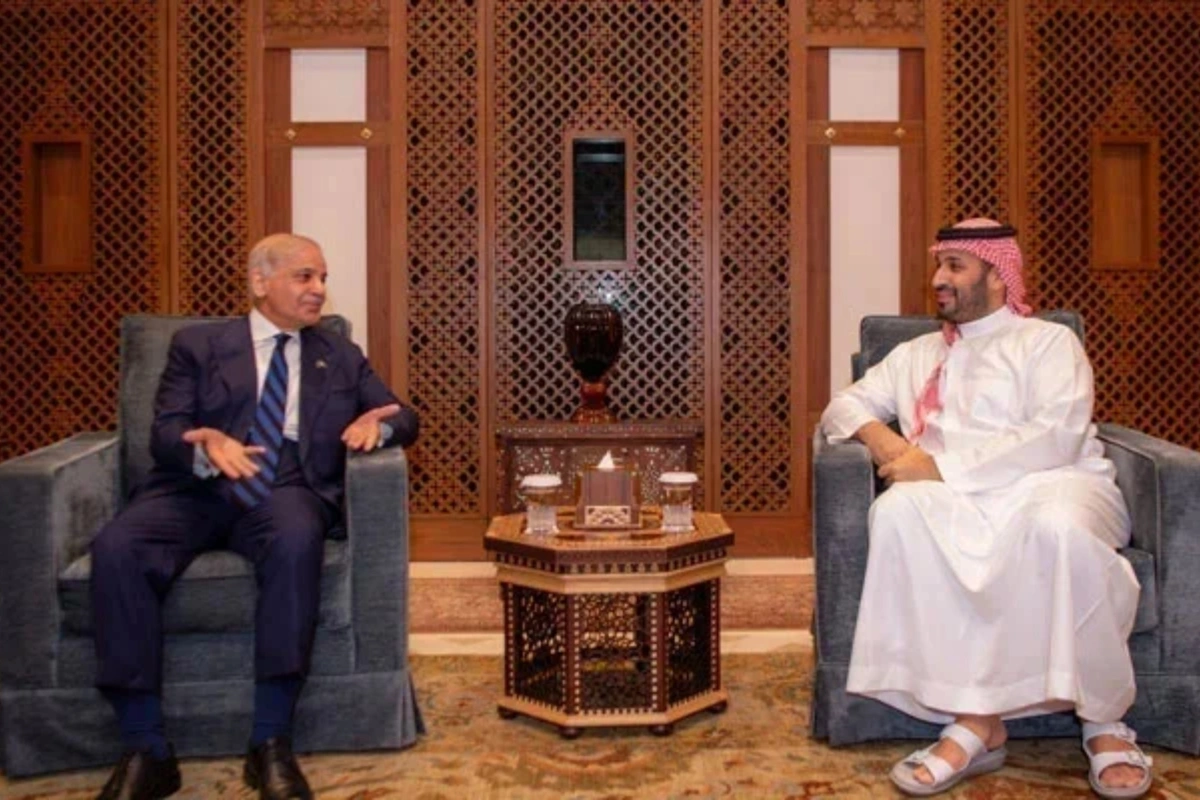
Equally problematic is the notion that Pakistan’s stability depends on a single individual. Modern states function through institutions, systems, and continuity—not personalities. Pakistan’s recent diplomatic engagements reflect this institutional strength. Islamabad has remained actively involved in regional de-escalation efforts, including participation in sensitive diplomatic channels and broader multilateral peace initiatives. These actions demonstrate that statecraft continues regardless of individual political figures.
Historical context further complicates the narrative. During Imran Khan’s tenure, certain foreign policy decisions led to tensions with key partners and forums. Episodes such as differences surrounding regional summits and multilateral engagements required subsequent recalibration by the state. These instances highlight that governance and diplomacy are complex processes that extend beyond any one leader’s role.
Moreover, suggestions that legal accountability could lead to national instability appear less like objective analysis and more like pressure tactics. Such claims attempt to elevate an individual’s legal situation into a question of national survival. This framing neither reflects institutional realities nor supports democratic norms. Accountability through legal processes is a cornerstone of any functioning democracy.
At its core, the principle is straightforward. Pakistan’s legal system is sovereign and operates independently. External commentary, regardless of its source, cannot override judicial authority. Courts—not columns—will determine legal outcomes, and they must be allowed to function without external influence.
In a world increasingly shaped by narratives and perception, it is essential to distinguish between opinion and process. Respect for the rule of law remains the foundation of any democratic system, and Pakistan is no exception.